Several years ago, The Wild Rose Press put out a call for submissions. The Deerbourne Inn series are available on Amazon or at the Wild Rose Press catalog Wild Rose Press Book Catalog These are always fun. Novellas written around a certain theme by different authors in different genres. The authors at The Wild Rose Press are always supportive of each other and this was no different. The last piece has just been released in this project; Love A La Carte by Carol Henry. To celebrate the authors will be discussing their work this week.
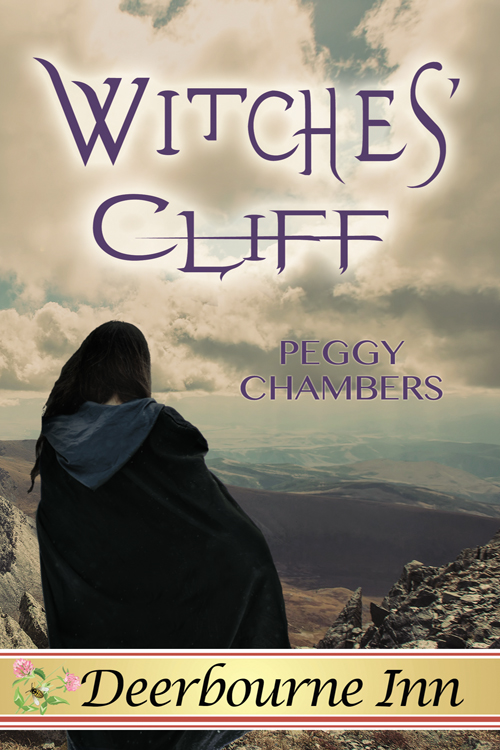
I entered a novella, which went on to be a finalist in the Oklahoma Romance Writers Digital Awards Witches’ Cliff. The genre was fantasy about a woman who returns to the town where she was born to discover something about herself.
Each of these stories take place at the Deerbourne Inn at different times and are written in different genres. Check them out and become a fan of the Deerbourne Inn. You’ll want to stay for a weekend and experience the fun.
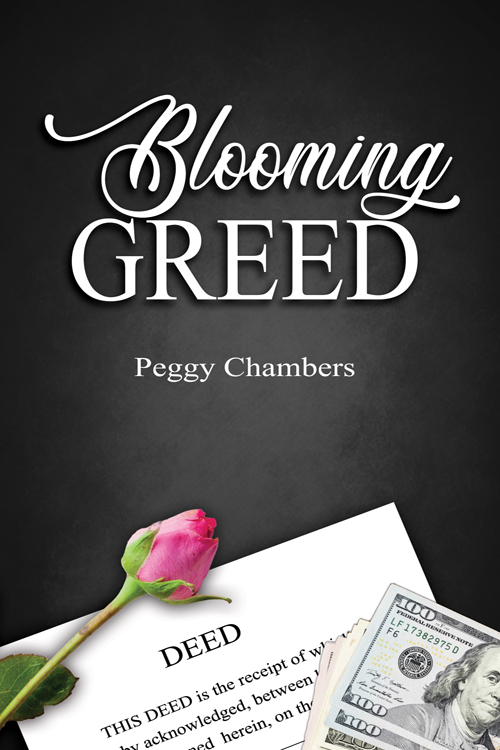
It’s been a year since Blooming Greedhttps://books2read.com/u/men5al was published and it is still a good story on a cold winter day.
Erin Shipley grew up on Keystone Lake before moving to Tulsa and becoming an associate attorney. Now, she’s back, representing a client who is concerned about the flooding and property values around the lake. Properties underwater are being bought and sold for pennies on the dollar by someone called T & H Realty. When her friend’s uncle, Jeff, dies mysteriously on the lake, Erin wonders if it has anything to do with the real estate scam and launches an investigation. The dam is old and zebra mussels are clogging it, not allowing enough water to flow out. If the dam breaks, it will flood downtown Tulsa and areas around it. But that’s not the only danger…whoever killed Jeff isn’t finished with their diabolical plan, and Erin and those she loves are at risk from more than just a dam break.
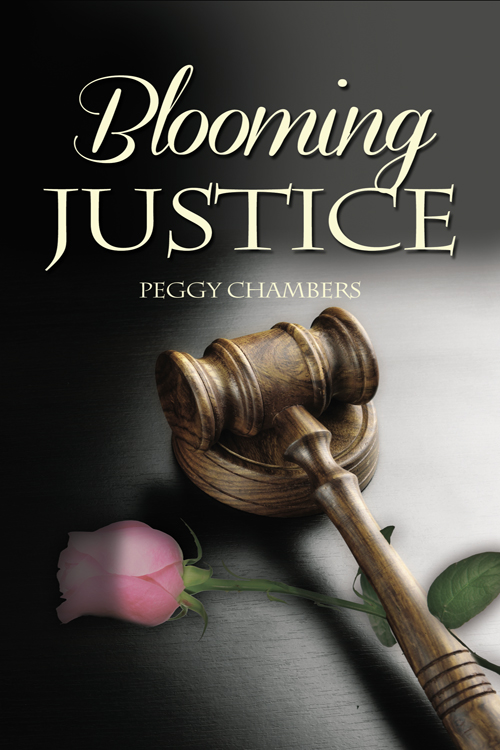
Blooming Greed is she second in the Keystone Lake series. Blooming Justicehttps://books2read.com/u/mggv9D was the first. They are both suspense novels set in Oklahoma on beautiful Keystone Lake.
Erin Sampson always wanted to be an attorney like her aunt. But until she experiences a real taste of injustice, she has no idea what the legal field is all about. After being sexually harassed at the senior prom by a boy she went to school with, she finds out he has escalated from bullying to rape.
Working in her aunt’s law firm while going to college, she has an opportunity to help find justice for all the women who deserve it. It is a long way from her mother’s flower shop to a law office; and a long way from the little town by the lake she grew up in to the Tulsa County Courthouse. But Erin will do whatever it takes to end the terror and protect the women on her campus.
Pick up a copy and curl up with a good book on a cold winter’s day. It will feel like home.
JT: The ability to express and create are driving factors. I don’t do small talk very well, but there is plenty I want to say. Writing provides that opportunity. Having a character say something I might think but not necessarily speak is very freeing. In addition, I love stories. Reading them. Hearing them. Telling them. Stories allow us the opportunity to use our imagination and intellect to fill in the background, setting, appearance, etc. As we read/hear, our minds paint these glorious masterpieces of what the author did not (intentionally) say. For me, a well-written story is something you see.
JT: I am always in the process of writing, preparing to write (study, research, etc.), or thinking of writing, but this mainly pertains to crafting sermons. Most every week, I write two sermons. The Wednesday sermon (500-650 words) and the Sunday sermon (1,300 1,650 words) are always percolating somewhere in my mind. I discovered many years ago that if I wait to “think on it” the day I want to write it… nothing. Zip. Nada. But if I allow it to simmer for several days, I can sit down and communicate the message. My other writing is essentially the same process but over a longer timeframe. I make lots of notes (most of which occur to me while standing in the shower, so I have to shout, “Hey, Siri…,” and then dictate a message to my electronic secretary.) When I sit down to write on one of the novels, I may put down 10,000 words in a week, barely coming up for nourishment. I love that process and the intensity of that time. Nothing else really exists.
PC:Give us a glimpse of the surroundings where you write. Separate room? In the kitchen? At the dining room table?
JT: I have my writing desk in my bedroom, but when I write, the desk and the computer screen are all I can see. The black-out shades are drawn, and the only light emanates from the monitor and a desk lamp, so I am blind to the other surroundings. The desk itself is a clutter of papers, rosaries, books, watercolors (mostly bad), small notebooks with notes, pens, pencils (I found some ‘Black Beauties’ similar to those used by Thad Beaumont—The Dark Half by Stephen King), empty coffee cups, and a glass with the remnants of some scotch. It may sound depressing, but it is glorious. When writing, all I see is the blinking cursor and the words that trail behind.
JT: I’m working on something a little different, both new and old. I grew up in Springhill, Louisiana, on the border of Louisiana and Arkansas (throw a rock hard enough, and you’ll hit Hope, Arkansas—and maybe even Bill.) The project, Five Hours in Springhill, is a novella (40,000 words) that I originally wrote in 1993. I wanted to do something a little different than the Father Savel mysteries, so I pulled this one out of the box—thank goodness for OCR because there was no surviving digital copy, but the printing shop was able to provide a great Word file. Where did the idea come from… I’ve honestly no idea. I do remember that The Bridges of Madison County was popular at the time, and I had read it. Something in the back of my mind connects Springhill with reading it. Heaven forbid that a priest read such things!
PC: Tell us one unusual thing about yourself – not related to writing!
JT: They are not related to writing, but they are intimately connected: I love to cook and make wine. Both, like writing, involve creating, and the result is as unique (Q: Do you know how you catch a unique rabbit? A: You-nique up on him.) as one author to the next. Perhaps it is not true with all writers, but I never know exactly how a story will unfold—characters do and say what they want with little input from me!—and the same is true with food and wine. Add garlic salt instead of salt, and you’ve got something new (and probably better). If the wine’s fermentation occurs at 72° instead of 68°, you’ve got an entirely different wine. I enjoy the process of creating in all its many forms.
Thank you, John, for answering my questions and letting us get to know you.
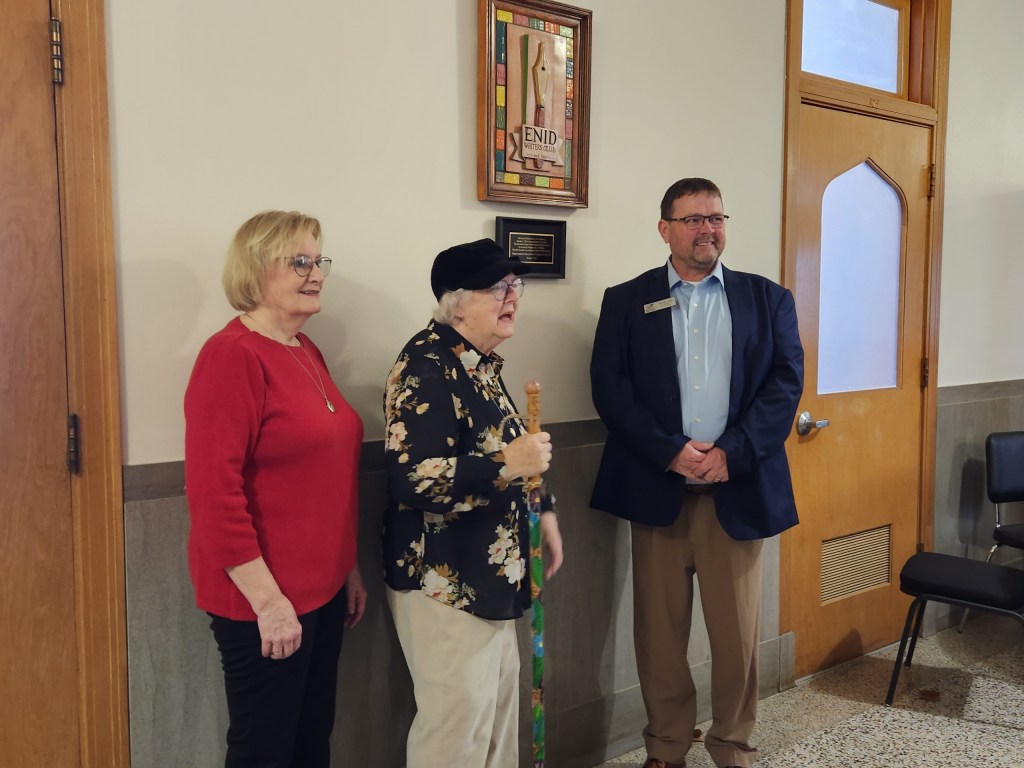
You’ve heard me talking about my writing club’s 100th anniversary lately. We’re very proud. But this week was the unveiling of the original plaque made by Nancy Russell for Northern Oklahoma College.
We had a celebration on the NOC campus this week to unveil and hang the plaque in a place of honor. The Enid Writers Club was started by Professor Roy J. Wolfinger of Phillips University in 1923. The campus has since been taken over by Northern Oklahoma College and they have kept upgrades to the campus as original as possible. I wondered what Professor Wolfinger thought of us and all the celebration. Hopefully he would have been proud.
Members of the college’s staff and faculty came and brought their students. The Enid News and Eagle, NOC’s newspaper, and KFOR’s Galen Culver’s weekly show Is This a Great State or What? were in attendance. You can view the video that went out across the state here. The Enid Writers Club celebrates its first century of words | KFOR.com Oklahoma City
We were so thrilled to be recognized and to have Ms. Russell’s art hung in our honor.
There will be more celebrations coming up in the near future. But in the meantime, my club continues with monthly meetings and critique groups, and we continue to keep Professor Wolfinger’s idea alive. Hopefully for another 100 years!
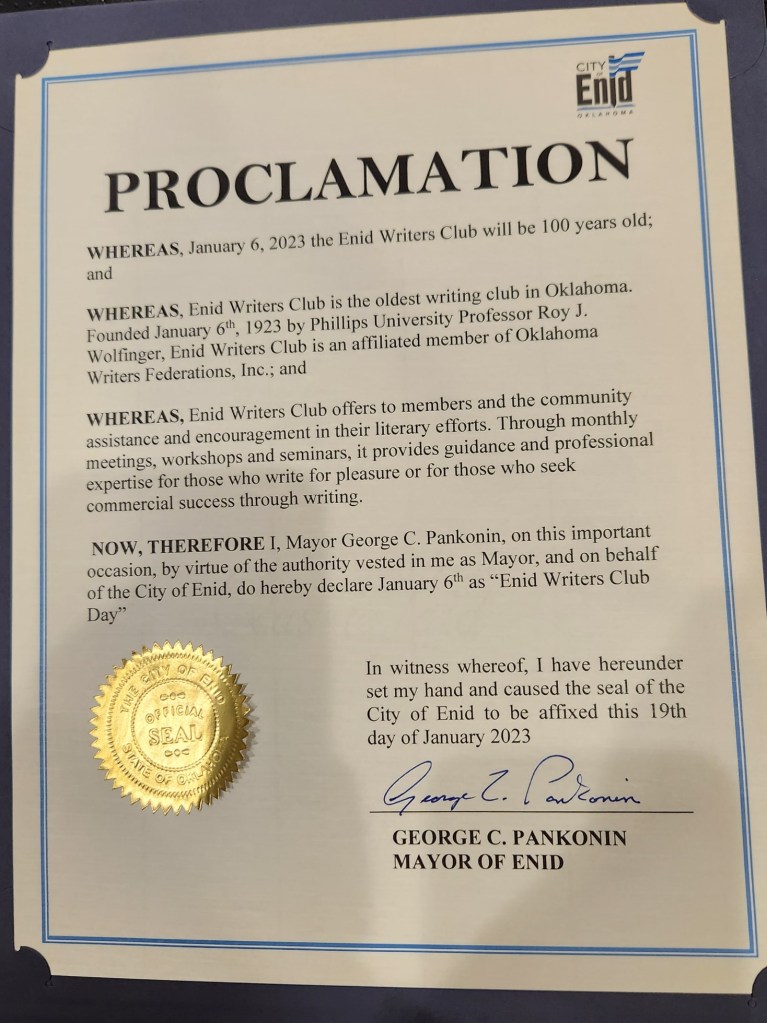
One hundred years ago, on January 6, 1923, Professor Roy J. Wolfinger held the first meeting of the Enid Writers Club. Professor Wolfinger, on the Phillips University in Enid, Oklahoma, had a vision. He knew that writers needed the company of like minds. So, the students met and began to help each other become better writers. That vison is still present today as evidenced by this proclamation from the City of Enid naming January 23, 2023, as Enid Writers Club Day.
When I first began writing, I learned that there was a local writers club and I wanted to check them out. To join, they required that you read them a three page original piece so they could see your genre and interests. I was terrified. But I was not the first and will not be the last. I’ve been a member for 14 years and now I’m lucky enough to be president on this historical year. It has been my honor to serve the club, grow it exponentially, and let the public know about our centennial. We have writers of all ages from all walks of life and our one goal is to become the best writers we can.
When I think of the 1923 students of Phillips University and their writing club I think of Robin Williams and The Dead Poet Society movie. The year of 1923 was still in the Roaring 20s, time of speakeasies and flapper dancers. Phillips University was a Christian university, and I don’t know how much Razmataz and bootleg whisky there was, but I love to think of them reading the classics and helping each other write better. We still do that today.
This Thursday we will present an original plaque to Northern Oklahoma College, the former Phillips University, and it will hang in a place of honor in the Marshall Building. I’ll show you that celebration next week.
I’ve made some great friends in the last 14 years and one of the things I like best is our critique meetings. We share up to three pages of our latest work in progress and they take a red pen to it! They see things I would never have noticed, and it’s made me a better writer. Thank you Enid Writers Club.
Here’s to another 100 years and happy anniversary!
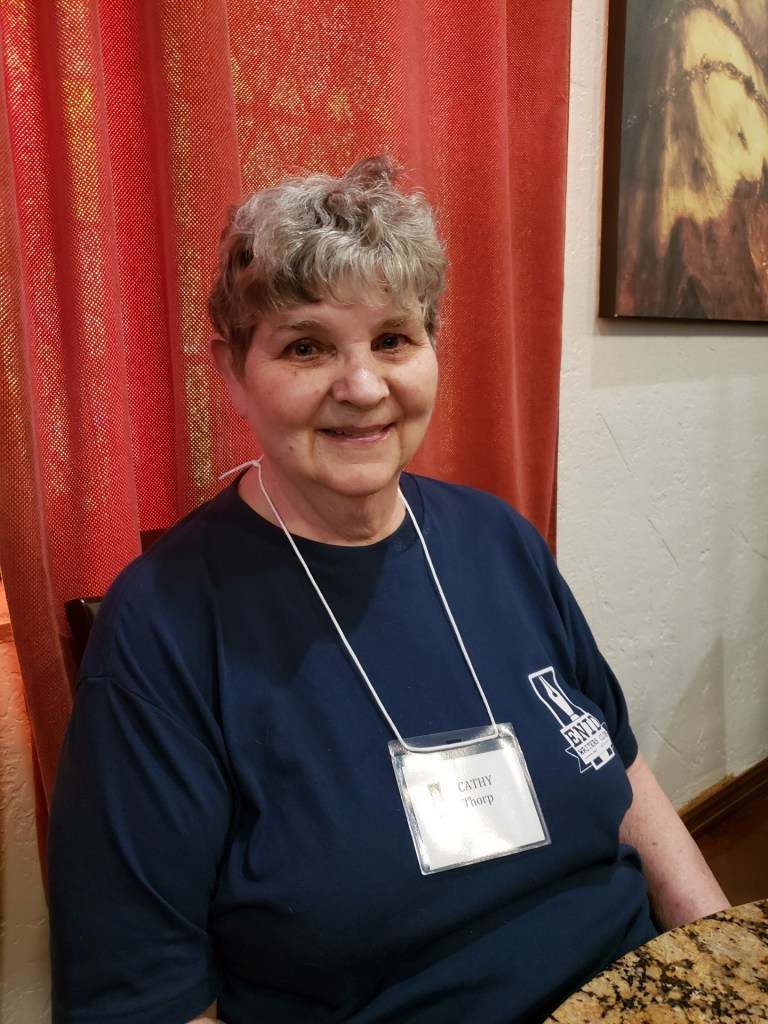
My guest this week is Cathy Thorp. She has been a member of the Enid Writers Club much longer than I have and welcomed me when I first came to the club. She is a member of our critique group and writing her first novel. She is a contributor to Prose Colored Glasses,Prose Colored Glasses: Writers Club, Enid: 9798849753515: Amazon.com: Books and I wanted to introduce you to her. You will love her entries in the book.
PC: What’s your writing schedule? Do you write every day?
CT: I don’t have a regular schedule forwriting every day. I know I should take more structured time to write on my work in progress. Iwrite in a couple of journals every day, one in the morning and another at night. Sometimes, Icome up with ideas when I’m writing in them. I bought a book “Poem a Day” that has prompts for all kinds of poetic forms. I started it at the first of January and have kept up with it. When I start writing, the story, or poem emerges.It’s part of how my brain works. At times, I do well with writing prompts, but mostly I let thewords flow, and see what happens. I have already been interrupted by one of my cats. I don’t know if they’re curious about my writing, or just want me to stop and pet them. She’s back and has jumped up on the windowsill to soak up some sun. She must be a solar powered cat.
PC: How did you come up with the plotline/idea for your current work in progress?
CT: The idea camefrom two sources. One, was from some short pieces I had written for the Enid Writers Clubcontest, and the critique group that met once a month, and it was loosely based on personalexperience. It was about a troubled teenage girl who was inappropriately approached by her track coach. Carol felt trapped in this situation. There were some suspicious fires in the area,with a high probability that they were arson. Setting fires could be an outlet for someone who had a lot ofsuppressed rage from trauma and felt a loss of control.
PC: What comes first, plot or character, and why?
CT: The character comes first. I think it’s because Iwrite on the fly, and I open most of my stories introducing the character first. This is my firstattempt at writing fiction, and I find it challenging, but fun. I will try to come up with an outline for the plot, but it’s still something I’ll need to practice. I need to remember that I am incontrol of the story and can change the flow.
PC: What 3 words describes you, the writer?
CT:Imaginative. Curious. Learning.
PC: If you could hang out with any literary character from any book penned at any timeline, who would it be, why, and what would you do together?
CT: Alice, from “Alice in Wonderland” byLewisCarroll. The story has always been one of my favorites through the years. I picked her becauseshe could think on her feet, and not be intimidated by many of the fascinating characters inWonderland. I would like to go on adventures with her through familiar landscapes and imaginefantastical persons, plants, and animals. Mushrooms would dance to a chorus of leaves from a mighty oak tree. It would be thrilling to follow the white rabbit down thehole, or to step through the looking glass to find an opposite world to explore. I could dream ofbeing twelve years old again and see things through the eyes of a child. I think the Cheshire Catwould be my favorite character to meet, with nothing left but his sly grin.Alice would be a good friend and could help me build self-confidence in our adventures through the wondrous worlds we discover.
Thank you, Cathy for letting us get to know you.
Pick up a copy of Prose Colored Glasses and enjoy the authors. What are you reading/writing this week?
Erin Shipley grew up on Keystone Lake before moving to Tulsa and becoming an associate attorney. Now, she’s back, representing a client who is concerned about the flooding and property values around the lake. Properties underwater are being bought and sold for pennies on the dollar by someone called T & H Realty. When her friend’s uncle, Jeff, dies mysteriously on the lake, Erin wonders if it has anything to do with the real estate scam and launches an investigation. The dam is old and zebra mussels are clogging it, not allowing enough water to flow out. If the dam breaks, it will flood downtown Tulsa and areas around it. But that’s not the only danger…whoever killed Jeff isn’t finished with their diabolical plan, and Erin and those she loves are at risk from more than just a dam break.
This week my interview is with Marsha Kay Oldham. She is a long-time member of the Enid Writers Club. Her pieces in our anthology, Prose Colored Glasses, Amazon.com:prose colored glasses book enid writers club are great reading. Check them out. But first, here’s a little bit about Marsha Kay, the person.
PC: What drives you to write?
MKO: Divine inspiration, although I don’t always write about religious subjects.
PC: What genre(s) of Romance do you read, and why?
MKO: Although I love Most reading Romance novels, I also enjoy Historic Biographies. I began reading those back in 4th grade when Carnegie Library was on Independence and had a wonderful selection of biographies of famous men and women who helped build America.
PC: What types of things do you most like to write?
MKO: I began writing my autobiography to explain to my children what caused my breakdown. A friend suggested I have it critiqued by a gentleman they knew belonged to Enid Writers’ Club. He invited me to their next meeting and there I met Maxine Austin and the rest, as they say, is history. She helped greatly with my bio, and invited me to Enid Poets’ Society, then to Poetry Society of Oklahoma. We were close friends until her death. What a wonderful world!
PC: You said you love to write poetry, tell us about that.
MKO: Not just “Roses are red, Violets are blue,” but there are numerous types of poetry with differing dimeter, tetrameter, etc. Also, differing rhyme patterns! I was elated and poems about my life, past and present, flew out of my mind and off the pages…I also wrote some fantasy and fictitious poems but not nearly as many.
PC: Tell us something unusual about you.
MKO: I don’t think of it as unusual, but I love to play the piano! I began taking lessons at 5 years old, then loved it so much my parents let me take lessons from Maurine Morrow (at the time) Priebe. It turned out she and Maxine were longtime friends. I still play at home for lots of reasons, including because I’m sad, mad, happy, etc., and at our Garber Christian Church every Sunday.
Also, I love to knit! Last May I began knitting Christmas presents for our 8 children, spouses, 30 grandchildren and 6 spouses, 1 of our 2 great- grands, 2 best friends, my 2 sisters, and my husband. It was truly a JOY!
Thank you, Marsha Kay, for talking to us and letting us get to know you better.
Pick up a copy of Prose Colored Glasses and check out the work of all our authors. What are you reading/writing this week?
The winds blow cold dry air outside my closed windows. Leaves carpet my browning grass as I wrap my jacket a little closer. Winter can be many things – cold and blustery or sunny and warm. But it is always the beginning of the holiday season.
From Halloween until New Years, the gift of friends and family warm us through a cold season. The parties, food, warm sweaters, and blazing fires keep us comfortable and happy. At least most of us.
I am blessed. I am blessed with family and friends and a warm place to lay my head at night. Warm food to eat, warm friends to be with, warm pets to cuddle, and the knowledge that I, and my family, are safe, warm, and fed.
There are those without family and friends to celebrate with. There are those who are living on the streets and need our help. What better time to help than when the nights are long and cold, and we have the time to clean out those closets and give to a local charity.
It’s Christmas! Consider this a challenge. What can, or what will you do for your fellow man this season? The tiniest thing is always welcomed. Maybe a book would help make the nights shorter especially if paired with a warm blanket. If you don’t have a lot of money to give, your time is priceless.
Enjoy the Christmas season with family and friends and remember those who aren’t as lucky as you.
This week my interview is with Bobbie Mardis. Bobbie is a long-time member of the Enid Writers Club and a personal mentor to me and my writing. Her two pieces in our anthology, Prose Colored Glasses, Amazon.com : prose colored glasses book enid writers club are great reading. Check them out. But first, here’s a little bit about Bobbie, the person.
PC: What genre(s) do you write, and why?
BM: I love creating various forms of writing. Many mornings, I wake up with an idea—sometimes a complete sentence or paragraph—that interest me. Most of these never get fully developed. Proof: a fat three-ring binder full of paper on which ideas lie idle. However, Some get completed as an essay or flash fiction or a short poem like my Cowboy Pete in the anthology. Twice now, an idea ended up as a full-length novel.
PC: Give us a glimpse of the surroundings where you write. Separate room? In the kitchen? At the dining room table?
BM: My favorite writing environment is my most comfortable chair with my laptop on my knees. With my back, legs, arms, and wrists completely supported, I can type away for several hours in complete comfort. I prefer complete silence as I’m easily distracted by… anything.
PC: How did you come up with the plotline/idea for your current WIP?
BM: I’m currently completing the sequel to my novel, The Triple Creek, continuing the story of land ownership conflicts in what was once Indian Territory in eastern Oklahoma. My first book was inspired by Angie Debo’s And Still the Waters Run, her non-fiction account of how Native Americans were promised land “as long as waters run” in return for their native territory in other parts of the United States. Within ten years of signing the treaties, ninety percent of that land was owned by non-Indians. Debo chronicles how, through greed and graft, the majority of Native Americans were cheated out of their government-awarded allotments.
I woke up one morning wondering how a modern-day wealthy person would react when finding out their wealth was acquired by their ancestors taking resource-rich land from an Indian family. That is what my first book was about. My sequel addresses new challenges from an old nemesis as corruption still affects availability of native resources.
PC: If you could hang out with any literary character from any book penned at any time tine, who would it by, why, and what would you do together?
BM: I cannot come up with any one literary character to visit with. My love of anything historical gives me many candidates, because, before having the technology we rely on, people’s very existence depended on individual ingenuity and bravery without modern conveniences to make life easier. We have so much to learn from them.
PC: Tell us one unusual thing about yourself – not related to writing!
BM: I am really afraid of flying even though, throughout my career in public affairs for the Federal Aviation Administration, I was constantly telling the public how flying is the safest mode of transportation. Statistics prove it, yet….
Pick up a copy of Prose Colored Glasses and check out the work of all our authors.
Life is a patchwork of moments — laughter, solitude, everyday joys, and quiet aches. Through scribbled stories, I explore travels both far and inward, from sunrise over unfamiliar streets to the comfort of home. This is life as I see it, captured in ink and memory. Stick around; let's wander together.






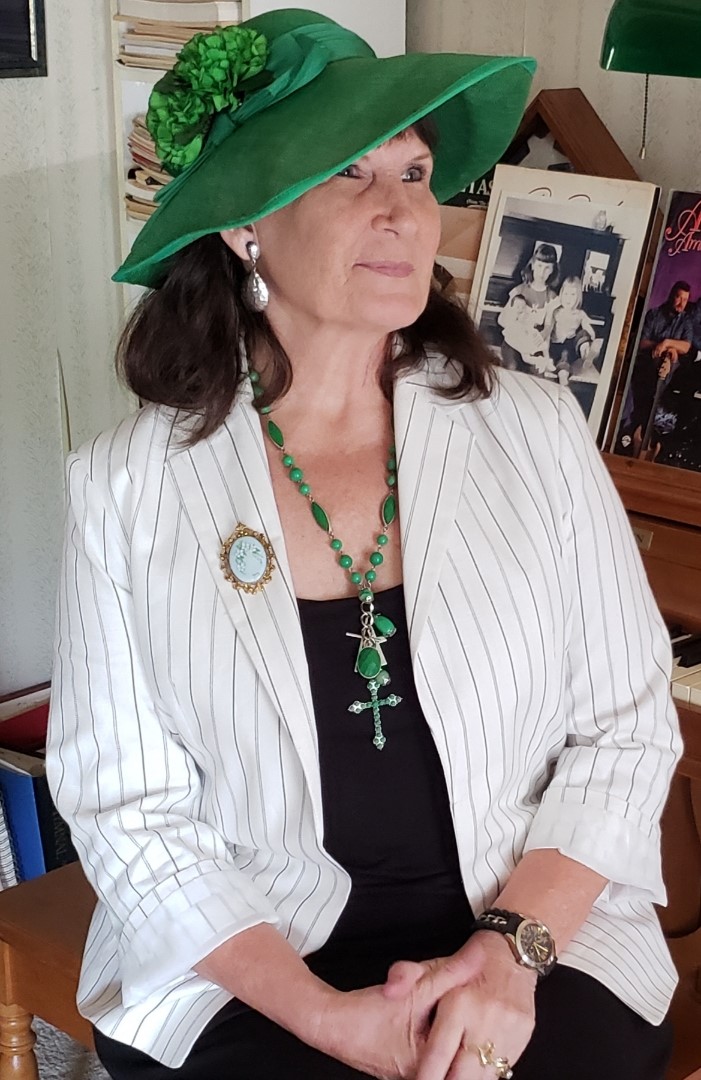 This week my interview is with Marsha Kay Oldham. She is a long-time member of the Enid Writers Club. Her pieces in our anthology, Prose Colored Glasses,
  The winds blow cold dry air outside my closed windows. Leaves carpet my browning grass as I wrap my jacket a little closer. Winter can be many things – cold and blustery or sunny and warm. But it is always the beginning of the holiday season.
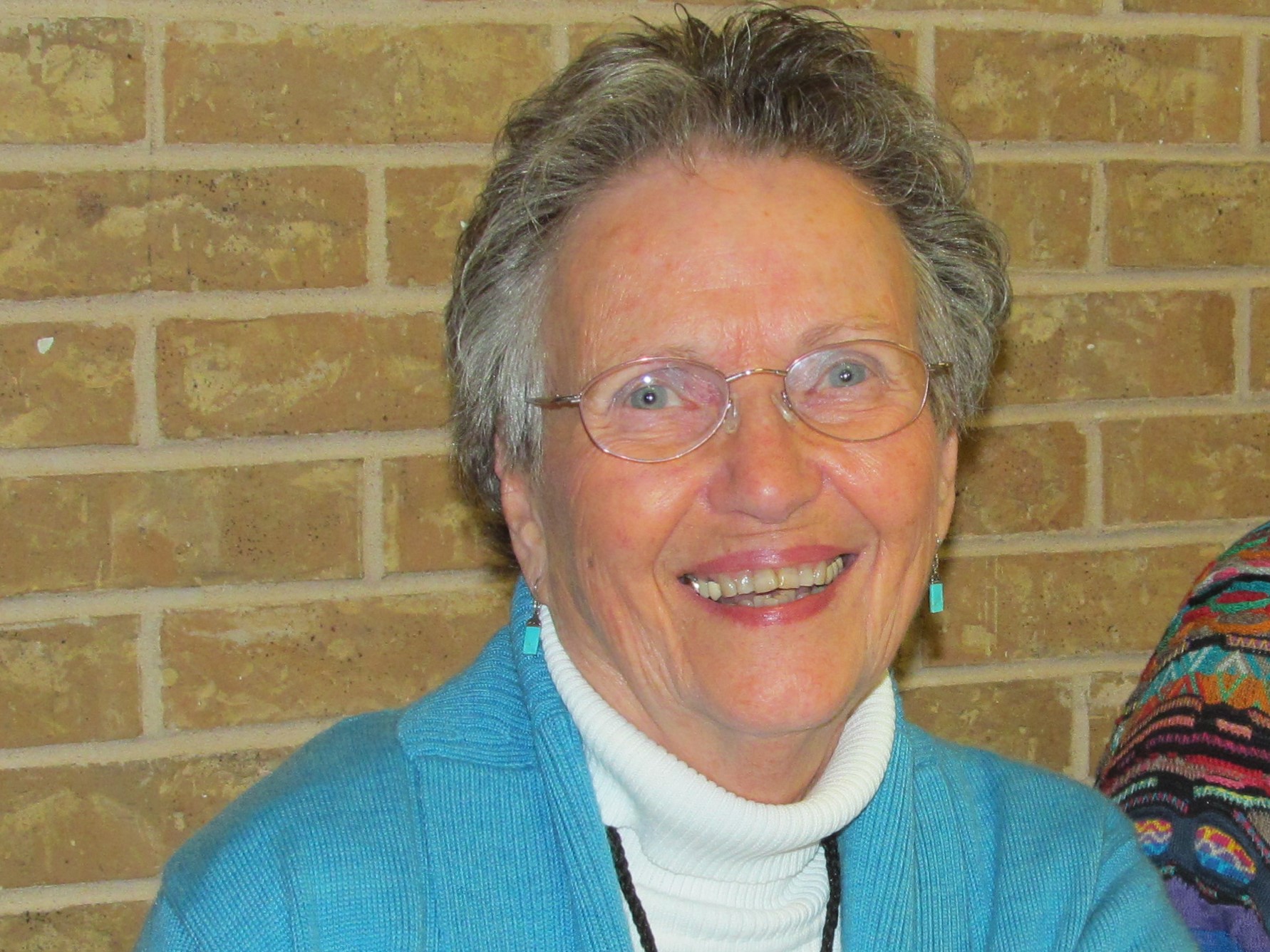 This week my interview is with Bobbie Mardis. Bobbie is a long-time member of the Enid Writers Club and a personal mentor to me and my writing. Her two pieces in our anthology, Prose Colored Glasses,










 Peggy Chambers "Views from the Hammock" site